Copyright 2026 Physio WordPress Theme by QreativeThemes
- Services
- Social Links
- Google My Business
- Gentle Currents Therapy YouTube
- Psychology Today
- BC Association of Clinical Counsellors
- Academia
- Youtube
- Cision
- Yelp
- UBC Final PhD Defence
- Cision
- About Me
- Tableu
- Issuu
- Google Scholar
- Behance
- Newswire
- Three Best Rated
- Alignable
- My Space
- Good Reads
- Sound Cloud
- Vimeo
- Foursquare
- Slideshare
- Godaddy
- Youtube
- Newswire
- UBC
- Contact Us
Visit our Location
Gentle Currents Counselling and Neurofeedback107-20103 40th Ave, Langley, BC V3A 2W3
Media, Public Interest & Mental Health Advocacy
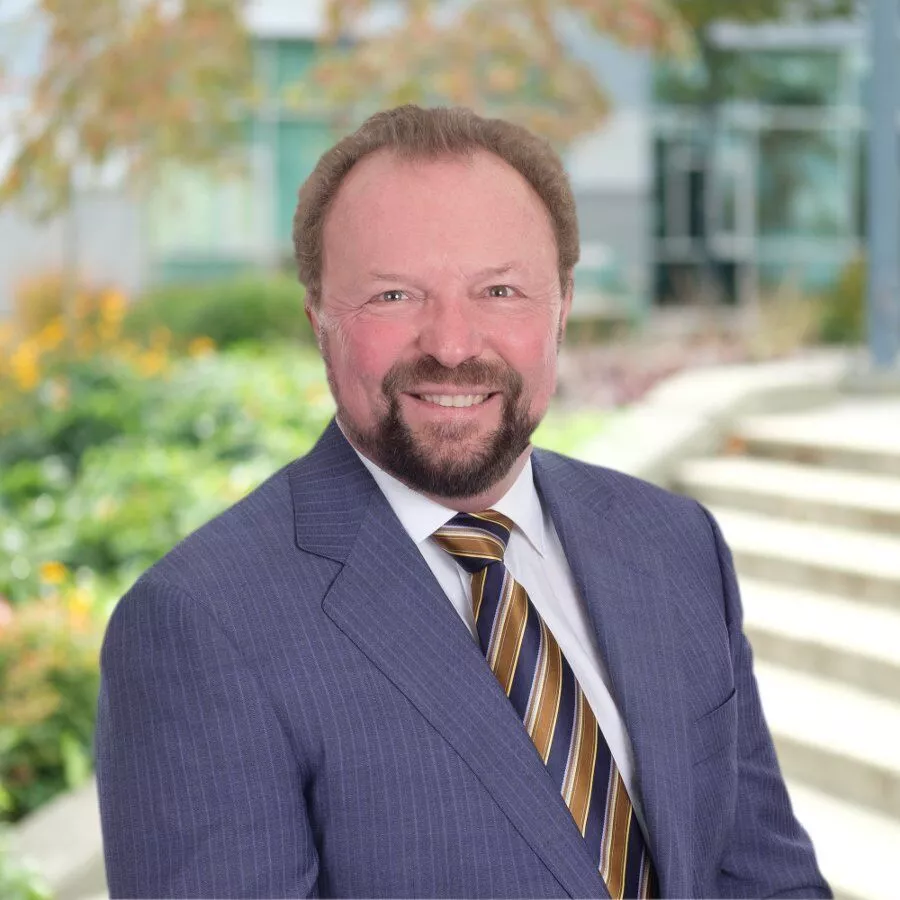
Dr. Michael “Mike” Dadson, PhD, RCC, CCC
Public-facing media, policy, education, advocacy, and professional activity involving Dr. Michael “Mike” Dadson, PhD, RCC, CCC, including parliamentary testimony, national mental health initiatives, trauma-informed program development, professional commentary, public education, and advocacy related to PTSD, operational stress injuries, veterans, first responders, families, men’s mental health, neurofeedback, and trauma-informed care.
Dr. Dadson’s public-facing mental health profile includes media interviews, parliamentary testimony, international public-awareness initiatives, national program development, institutional partnerships, academic training, and public education connected to trauma recovery, military transition, public safety personnel, family systems, group counselling, and psychological resilience.
This page highlights selected examples of Dr. Dadson’s media, public interest, and mental health advocacy.
Public Interest Overview
Dr. Mike Dadson’s media and public-interest mental health profile includes:
- Federal parliamentary testimony before the House of Commons Standing Committee on Public Safety and National Security.
- Public policy discussion related to operational stress injuries and post-traumatic stress disorder among public safety officers and first responders.
- Media interviews and public commentary on PTSD, operational stress injuries, trauma recovery, veteran transition, isolation, identity disruption, family strain, and meaning-making after trauma.
- International public-awareness activity connected to Contact! Unload, Research-Based Theatre, Canada House in London, HRH Prince Harry, King’s College London, and Remembrance ceremonies at Brookwood Military Cemetery.
- Meetings and public-facing engagement involving the Canadian High Commission in the United Kingdom and the Canadian High Commissioner to the United Kingdom.
- National Executive Director and Clinical Director leadership with the Veterans Transition Network from 2014 to 2018.
- Public representation of trauma-informed mental health programming in media, fundraising, promotional, institutional, and awareness settings.
- Public-interest program activity connected to veterans, women veterans, Francophone veterans, couples, families, and service-related trauma.
- Institutional work connected to organizations such as True Patriot Love Foundation, Wounded Warriors Canada, the Royal Canadian Legion, the Quebec Veterans Foundation, the University of British Columbia, and other mental health and veteran-support partners.
- Professional and public education on PTSD, trauma neurobiology, neurofeedback, men’s mental health, father-son relational trauma, couples counselling, media stress, crisis response, and psychological resilience.
- Development and articulation of the Sequential Trauma Narrative, a trauma framework emerging in part from Dr. Dadson’s clinical, public policy, public advocacy, media, and program-development activity.
Federal Parliamentary Testimony
House of Commons Standing Committee on Public Safety and National Security
Date: March 22, 2016
Institution: Parliament of Canada
Committee: House of Commons Standing Committee on Public Safety and National Security
Topic: Operational Stress Injuries and Post-Traumatic Stress Disorder in Public Safety Officers and First Responders
Role: Witness, appearing as Executive and Clinical Director of the Veterans Transition Network
Location: Videoconference from Langley, British Columbia
On March 22, 2016, Dr. Mike Dadson appeared before the House of Commons Standing Committee on Public Safety and National Security during its study of operational stress injuries and post-traumatic stress disorder among public safety officers and first responders.
Dr. Dadson appeared as Executive and Clinical Director of the Veterans Transition Network and spoke from his experience as a clinician, trauma therapist, national program leader, and clinical director involved in group-based trauma recovery programming.
His testimony connected clinical trauma care with public policy questions about PTSD, operational stress injuries, public safety personnel, first responders, veteran transition, family impact, access to support, and trauma-informed systems of care.
Public Record
- Appeared before a federal parliamentary committee.
- Testified during a national study on PTSD and operational stress injuries.
- Spoke as Executive and Clinical Director of the Veterans Transition Network.
- Addressed trauma care for first responders and public safety officers.
- Discussed gaps in access to care for people affected by PTSD and occupational trauma.
- Answered questions from Members of Parliament.
- Brought clinical trauma expertise into a national public policy forum.
Source Links
- House of Commons SECU Notice of Meeting
https://www.ourcommons.ca/DocumentViewer/en/42-1/SECU/meeting-8/notice - House of Commons SECU Minutes
https://www.ourcommons.ca/documentviewer/en/42-1/SECU/meeting-8/minutes - House of Commons SECU Evidence
https://www.ourcommons.ca/DocumentViewer/en/42-1/secu/meeting-8/evidence - OpenParliament transcript entry for Dr. Mike Dadson
https://openparliament.ca/committees/public-safety/42-1/8/dr-mike-dadson-1/only/
International Clinical Advocacy & Diplomacy
Contact! Unload — Canada House, London, United Kingdom
Date: November 2016
Location: London, United Kingdom
Public Setting: Canada House, Trafalgar Square
Project: Contact! Unload
Fields: Research-Based Theatre, veterans’ mental health, operational stress injuries, military transition, public mental health advocacy, trauma-informed public education
Public Audiences and Settings: Canada House, HRH Prince Harry, Canadian High Commission, King’s College London, Brookwood Military Cemetery, international scholars, military leaders, public officials, and dignitaries
Dr. Michael “Mike” Dadson participated in the international public-awareness deployment of Contact! Unload, a Canadian initiative using Research-Based Theatre to bring the lived experiences of military veterans, operational stress injuries, trauma recovery, and military-to-civilian transition into public performance and dialogue.
Contact! Unload translated real-life trauma narratives into public performance, helping bridge the gap between clinical trauma knowledge and public understanding. The project connected veterans, scholars, clinicians, artists, and community members in a public mental health initiative focused on the emotional, physical, cognitive, relational, and social effects of service-related trauma.
During the London delegation, Dr. Dadson participated in high-profile public, diplomatic, academic, and ceremonial events connected to veterans’ mental health and Remembrance Week. These included presentations at Canada House in Trafalgar Square, a performance attended by HRH Prince Harry, meetings and dialogue at the Canadian High Commission, and professional engagement with academic and trauma specialists in London.
As part of the Canadian delegation, Dr. Dadson also met with the Canadian High Commissioner to the United Kingdom and participated in Remembrance ceremonies at Brookwood Military Cemetery, one of the United Kingdom’s most significant military cemeteries and a major site of Commonwealth war remembrance. His participation included ceremonial remembrance activities honouring fallen soldiers and recognizing the continuing mental health impact of military service, operational trauma, and sacrifice.
This international advocacy activity connected Dr. Dadson’s clinical expertise in PTSD, operational stress injuries, group-based trauma recovery, and veteran transition with diplomatic engagement, public education, remembrance, and global mental health awareness.
Public Profile Highlights
- Contact! Unload
- Research-Based Theatre
- Canada House, Trafalgar Square, London
- Canadian High Commission in the United Kingdom
- Meeting with the Canadian High Commissioner to the United Kingdom
- HRH Prince Harry
- King’s College London
- Brookwood Military Cemetery
- Remembrance Week
- Remembrance ceremonies honouring fallen soldiers
- International scholars and military leaders
- Veterans’ mental health
- Operational stress injuries
- PTSD and military transition
- Public mental health advocacy
- Trauma-informed public education
Public-Interest Significance
- Helped connect clinical trauma knowledge with international public awareness.
- Helped translate veterans’ lived trauma narratives into accessible public education.
- Participated in diplomatic and public-facing discussion of veterans’ mental health.
- Participated in Remembrance ceremonies at Brookwood Military Cemetery.
- Helped bring operational stress injuries and military transition into international public discussion.
- Helped bridge clinical trauma care, arts-based research, public memory, remembrance, and mental health advocacy.
- Helped connect Canadian veterans’ mental health advocacy with audiences in the United Kingdom.
Source Links
- University of British Columbia — Contact! Unload Symposium
https://ecps.educ.ubc.ca/contact-unload-symposium/ - University Affairs — “Prof brings research on soldiers’ mental health to the stage”
https://universityaffairs.ca/news/prof-brings-research-soldiers-mental-health-stage/ - UBC Trek Magazine — “Wounded Soldiers”
https://magazine.alumni.ubc.ca/2017/summer-2017/features/wounded-soldiers - Taylor & Francis / Cogent Arts & Humanities — “Audience responses to Contact! Unload”
https://www.tandfonline.com/doi/full/10.1080/23311983.2017.1351704 - Veterans Transition Network Annual Report 2015
https://vtncanada.org/wp-content/uploads/2016/07/VTN-Annual-Report-2015.pdf - Veterans Transition Network Annual Report 2016
https://vtncanada.org/wp-content/uploads/2017/06/VTN-Annual-Report-2016.pdf
Media Interviews & Public Awareness
Dr. Dadson has contributed to public mental health awareness through media interviews, public commentary, promotional appearances, professional articles, and public-facing education.
His public commentary has addressed PTSD, operational stress injuries, military-to-civilian transition, first responder trauma, isolation, identity disruption, moral injury, family strain, men’s mental health, couples counselling, neurofeedback, and trauma recovery.
As a clinical leader with the Veterans Transition Network, Dr. Dadson helped explain the Veterans Transition Program model to public audiences, media outlets, funders, veterans, families, and clinical communities.
Public Media Record
- Conducted media interviews as a clinical leader and public representative.
- Participated in public promotion of trauma-informed programs.
- Appeared in media spotlight coverage related to the Veterans Transition Program model.
- Participated in True Patriot Love-related public settings and veteran-support events.
- Helped communicate the psychological realities of PTSD, transition stress, and service-related trauma.
- Helped explain how trauma affects identity, relationships, family life, and meaning after service.
National Media Advocacy for Specialized Trauma Recovery
Rehab Magazine / Veterans Transition Network Feature
Date: Winter 2018/2019
Publication: Rehab Magazine
Public Archive: Veterans Transition Network
Topic: Veterans’ mental health, PTSD, military-to-civilian transition, identity disruption, isolation, reintegration, and group-based trauma recovery
Featured Clinical Voices: Dr. Mike Dadson and Laura Bull, VTN clinical colleague and local counselling colleague
Dr. Mike Dadson was featured as a clinical voice in a national media article addressing how Canada supports veterans during the transition from military to civilian life.
The Rehab Magazine feature, archived by the Veterans Transition Network, included commentary from Laura Bull, a VTN clinician and local counselling colleague, and Dr. Mike Dadson, then Clinical Director of the Veterans Transition Network. Together, their public commentary helped explain the psychological and social challenges faced by veterans after service, including loss of meaning, isolation, PTSD symptoms, difficulty reconnecting with family and community, and limited access to specialized care in smaller or rural communities.
In the feature, Dr. Dadson explained the Veterans Transition Program as a structured pathway helping veterans return to civilian life, pursue their potential, and build meaningful lives after service.
This national media feature helped draw public attention to the need for specialized, group-based trauma recovery programs for veterans, women veterans, first responders, couples, families, and people affected by operational stress injuries.
Media Profile Highlights
- Rehab Magazine
- Veterans Transition Network media archive
- Dr. Mike Dadson, Clinical Director
- Laura Bull, VTN clinical colleague and local counselling colleague
- Veterans Transition Program
- PTSD and operational stress injuries
- Military-to-civilian transition
- Group-based trauma recovery
- Women veterans and first responders
- Rural and underserved communities
- Reintegration, identity, isolation, and family reconnection
Public-Interest Significance
- Provided national media commentary on veterans’ mental health and transition.
- Featured Dr. Mike Dadson as Clinical Director of the Veterans Transition Network.
- Featured Laura Bull as a VTN clinician and clinical colleague.
- Helped explain PTSD, isolation, loss of meaning, and reintegration challenges to a public audience.
- Helped present group-based trauma recovery as a public mental health resource.
- Helped connect clinical trauma knowledge with accessible public education.
- Helped highlight the importance of community, relational support, and structured transition programming.
- Helped position veteran transition as a mental health, family, community, and public-interest issue.
Source Link
- Veterans Transition Network — “How is Canada Taking Care of Its Veterans?”
https://vtncanada.org/news/how-is-canada-taking-care-of-its-veterans/
Public Advocacy for Women’s Trauma Programming
Dr. Dadson’s public-interest mental health advocacy included activity connected to specialized trauma programming for women veterans and women affected by service-related trauma.
Through his leadership with the Veterans Transition Network, Dr. Dadson helped bring public attention to the need for gender-aware trauma care. This work recognized that women veterans and women first responders may face distinctive forms of trauma exposure, institutional injury, isolation, family disruption, identity strain, and barriers to care.
Specialized women’s trauma programming helped create safer group environments where participants could process complex experiences, reduce isolation, rebuild trust, reconnect with community, and pursue meaningful civilian lives after service.
Program and Access Highlights
- Women veterans programming
- First specialized women’s transition programming
- Eastern Canada program launch
- Ontario program development
- Gender-aware trauma care
- Female veterans and first responders
- Operational stress injuries
- PTSD and complex trauma
- Group-based therapeutic programming
- Veterans Transition Network
- National media feature
- Laura Bull and Dr. Mike Dadson media interview
Public-Interest Significance
- Helped advance public awareness of women veterans’ mental health needs.
- Helped promote gender-aware trauma recovery programming.
- Helped support specialized group-based care for women affected by military and service-related trauma.
- Helped communicate the importance of safe, tailored clinical environments for women processing trauma.
- Helped expand public understanding of PTSD, operational stress injuries, reintegration, identity disruption, and relational recovery among women veterans and first responders.
Source Links
- Veterans Transition Network Annual Report 2015
https://vtncanada.org/wp-content/uploads/2016/07/VTN-Annual-Report-2015.pdf - Veterans Transition Network — “How is Canada Taking Care of Its Veterans?”
https://vtncanada.org/news/how-is-canada-taking-care-of-its-veterans/
National Program Development & Public-Interest Mental Health Initiatives
From 2014 to 2018, Dr. Dadson served as National Executive Director and Clinical Director of the Veterans Transition Network.
In this role, his public-facing activity included national clinical leadership, program development, clinician training, public promotion, media representation, institutional communication, and the launch and expansion of specialized trauma-informed programming.
Dr. Dadson’s role connected clinical trauma knowledge with national service delivery, media education, funder communication, public advocacy, program launches, and public-interest mental health care.
Public-Interest Record
- Served as National Executive Director of the Veterans Transition Network.
- Served as Clinical Director of the Veterans Transition Network.
- Helped lead national clinical development for trauma-informed veteran programming.
- Helped launch original programs serving Canadian veterans and families.
- Helped develop and promote specialized programming for women veterans.
- Helped support French-language and bilingual veteran programming.
- Helped expand access to trauma-informed care across geography, gender, and language.
- Travelled coast to coast to deliver programs and mentor clinical teams.
- Helped train and supervise clinicians working with PTSD, operational stress injuries, and transition stress.
- Helped communicate program goals and public impact to institutional partners, funders, media, clinicians, veterans, and families.
Source Links
- Veterans Transition Network 2018 Annual Report
https://vtncanada.org/2018-annual-report/ - Veterans Transition Network Financials and Annual Reports
https://vtncanada.org/financials/
Women Veterans, Francophone Veterans & Access to Care
A significant part of Dr. Dadson’s public-interest program activity involved improving access to trauma-informed care for underserved veteran populations.
This included activity connected to specialized programming for women veterans and French-language programming for Francophone veterans and families. These initiatives addressed barriers related to gender, geography, language, military culture, stigma, trauma history, and family impact.
Public-Interest Record
- Helped develop specialized programming for women veterans.
- Helped promote gender-aware trauma care.
- Helped support French-language and bilingual veteran programming.
- Helped expand access for Francophone veterans and families.
- Helped support Quebec-based veteran programming.
- Helped strengthen national trauma care access across language and region.
Source Links
- Veterans Transition Network 2018 Annual Report
https://vtncanada.org/2018-annual-report/ - Quebec Veterans Foundation contributes $45,000 to serve veterans — VTN Canada
https://vtncanada.org/news/quebec-veterans-foundation-contributes-45000-to-serve-veterans-struggling-with-transition/ - French-language VTN article on Quebec veterans and transition
https://fr.vtncanada.org/nouvelles/au-quebec-25-des-veterans-ont-de-la-difficulte-a-reintegrer-la-vie-civile/
Institutional Partnerships & Public Advocacy
Dr. Dadson’s public-facing activity intersected with a national network of veteran-support organizations, funders, clinicians, public advocates, academic partners, and institutional leaders.
During his Veterans Transition Network leadership, VTN’s program environment included support from major Canadian veteran and military-family organizations such as True Patriot Love Foundation, Wounded Warriors Canada, the Royal Canadian Legion, the Quebec Veterans Foundation, and other supporters.
Public Advocacy Record
- Worked within national mental health initiatives supported by major Canadian veteran-support organizations.
- Helped communicate trauma-informed programming to public and institutional audiences.
- Helped connect clinical expertise with funder-supported public-interest programs.
- Helped promote awareness of PTSD, operational stress injuries, transition stress, and family impact.
- Represented trauma-informed mental health programming in public and media settings.
- Participated in public-interest events connected to veteran support and military-family wellbeing.
Source Links
- Veterans Transition Network 2018 Annual Report
https://vtncanada.org/2018-annual-report/ - Veterans Transition Network
https://vtncanada.org/
COPE: Couples Overcoming PTSD Every Day
Dr. Dadson’s public-interest mental health activity also intersected with COPE, Couples Overcoming PTSD Every Day, a group-based program focused on veterans, first responders, spouses, partners, PTSD, operational stress injuries, and the relational effects of trauma.
COPE recognizes that trauma does not affect only the individual. PTSD and operational stress injuries also affect spouses, families, attachment systems, emotional safety, communication patterns, and the process of rebuilding civilian life.
A 2015 Canadian Institute for Military and Veteran Health Research abstract identified Dr. Mike Dadson among the psychologists and counsellors involved in the development of COPE.
Public-Interest Record
- Contributed to professional development connected to COPE.
- Helped advance understanding of PTSD as a family and relationship issue.
- Helped connect trauma care with couples counselling and family recovery.
- Helped highlight the role of spouses, partners, and families in recovery.
- Helped bring relational trauma concepts into public mental health programming.
Source Links
- CIMVHR Forum Abstracts 2015 — COPE abstract
https://cimvhr.com/documents/CIMVHR-Forum-Abstracts-2015.pdf - Wounded Warriors Canada — COPE Program
https://woundedwarriors.ca/our-programs/couples-overcoming-ptsd-everyday/
Academic Leadership & Public Mental Health Training
UBC Centre for Group Counselling and Trauma
Institutional Context: University of British Columbia
Role: Advisory board / advisory committee involvement connected to group counselling and trauma
Associated Leaders: Dr. Marla Buchanan and Dr. Marvin Westwood
Fields: Group counselling, trauma treatment, operational stress injuries, clinician training, public education, and community mental health capacity
Dr. Dadson’s public-facing mental health activity has also included academic and training involvement connected to group counselling, trauma treatment, operational stress injuries, and community-based clinical education.
Through UBC-related trauma and group counselling initiatives, Dr. Dadson’s activity connected clinical practice with academic research, clinician training, public education, and applied trauma care. This involvement helped translate complex trauma research into practical frameworks for counsellors, clinicians, and community mental health providers.
Dr. Dadson’s academic and advisory involvement also connected with the broader public mission of trauma-informed group work: helping communities, clinicians, veterans, first responders, and families better understand and respond to operational stress injuries, PTSD, and the relational effects of trauma.
Academic and Training Highlights
- University of British Columbia
- Centre for Group Counselling and Trauma
- Advisory board / advisory committee involvement
- Dr. Marla Buchanan
- Royal Canadian Legion Professorship in Group Counselling and Trauma
- Dr. Marvin Westwood
- Group counselling
- Operational stress injuries
- Trauma-informed public education
- Community counsellor training
- Clinical supervision and professional development
- Translation of academic trauma research into applied care
Public-Interest Significance
- Helped connect academic trauma research with public mental health education.
- Helped support group counselling and trauma-informed clinical training.
- Helped strengthen community capacity for treating operational stress injuries and PTSD.
- Helped bridge university-based research, clinical supervision, public advocacy, and applied trauma care.
- Helped translate complex trauma concepts into practical frameworks for counsellors, clinicians, and community mental health providers.
Related Public Records
- House of Commons SECU Evidence, March 22, 2016
https://www.ourcommons.ca/DocumentViewer/en/42-1/secu/meeting-8/evidence - UBC Contact! Unload Symposium
https://ecps.educ.ubc.ca/contact-unload-symposium/
Sequential Trauma Narrative
The Sequential Trauma Narrative emerged in part from Dr. Dadson’s long-term clinical, public policy, public advocacy, media, and program-development activity with trauma-affected individuals, families, veterans, first responders, couples, and communities.
The framework explores how traumatic experiences are encoded, stored, remembered, narrated, and transformed through therapeutic relationship, emotional safety, attachment repair, nervous-system regulation, family connection, group process, and meaning-making.
The Sequential Trauma Narrative also serves as a public education framework, helping clinicians, clients, families, and public audiences understand how trauma disrupts memory, identity, attachment, nervous-system regulation, and meaning — and how recovery often involves rebuilding a coherent story of self, relationship, loss, survival, and future possibility.
The Sequential Trauma Narrative reflects Dr. Dadson’s broader mental health activity across PTSD, operational stress injuries, veteran transition, first responder trauma, men’s mental health, father-son relational injuries, dissociation, couples counselling, group therapy, family recovery, and public education.
Public-Interest Relevance
- Explains trauma as a lived human process, not only a diagnosis.
- Connects trauma recovery with memory, body, identity, attachment, relationship, and meaning.
- Helps translate clinical trauma concepts into accessible public language.
- Reflects Dr. Dadson’s activity in clinical supervision, teaching, national programming, media education, and public-interest mental health advocacy.
Professional Publications & Public Education
Dr. Dadson has contributed to public and professional education through articles, interviews, commentary, clinical publications, and media-distributed mental health resources.
His public education activity has addressed PTSD, trauma recovery, operational stress injuries, trauma neurobiology, dissociation, neurofeedback, men’s mental health, father-son relational trauma, couples counselling, media stress, crisis response, and psychological resilience.
Public Education Record
- Authored professional articles on PTSD, trauma, and treatment implications.
- Published or contributed public education on operational stress injuries and veteran transition.
- Published or contributed commentary on neurofeedback and nervous-system regulation.
- Published or contributed commentary on men’s mental health and father-son relational trauma.
- Published or contributed commentary on media stress, crisis, and psychological resilience.
- Helped translate clinical trauma concepts into accessible public language.
Selected Topic Areas
- PTSD and the neurological pathways of trauma.
- Veteran transition and military-to-civilian reintegration.
- Operational stress injuries and family impact.
- Men’s mental health and father-son relational trauma.
- Neurofeedback and trauma recovery.
- Media stress and psychological resilience.
- Trauma-informed couples counselling and family recovery.
Closing Summary
Dr. Mike Dadson’s public-facing mental health profile includes parliamentary testimony, international advocacy, media interviews, public commentary, national program leadership, institutional partnerships, academic training, professional publications, public education, and the Sequential Trauma Narrative.
Across these activities, Dr. Dadson has helped bring trauma-informed clinical knowledge into public policy discussions, national mental health initiatives, media education, institutional partnerships, international public-awareness settings, and accessible resources for individuals, couples, families, veterans, first responders, and communities affected by trauma.